Can anyone be “too nice” and “too much of a pleaser” in a relationship? If someone is inconsiderate of you, or walks all over you, do you smile politely while quietly seething underneath?
Do you find yourself catering for others needs and even whims even when there is no real reciprocation on their part?
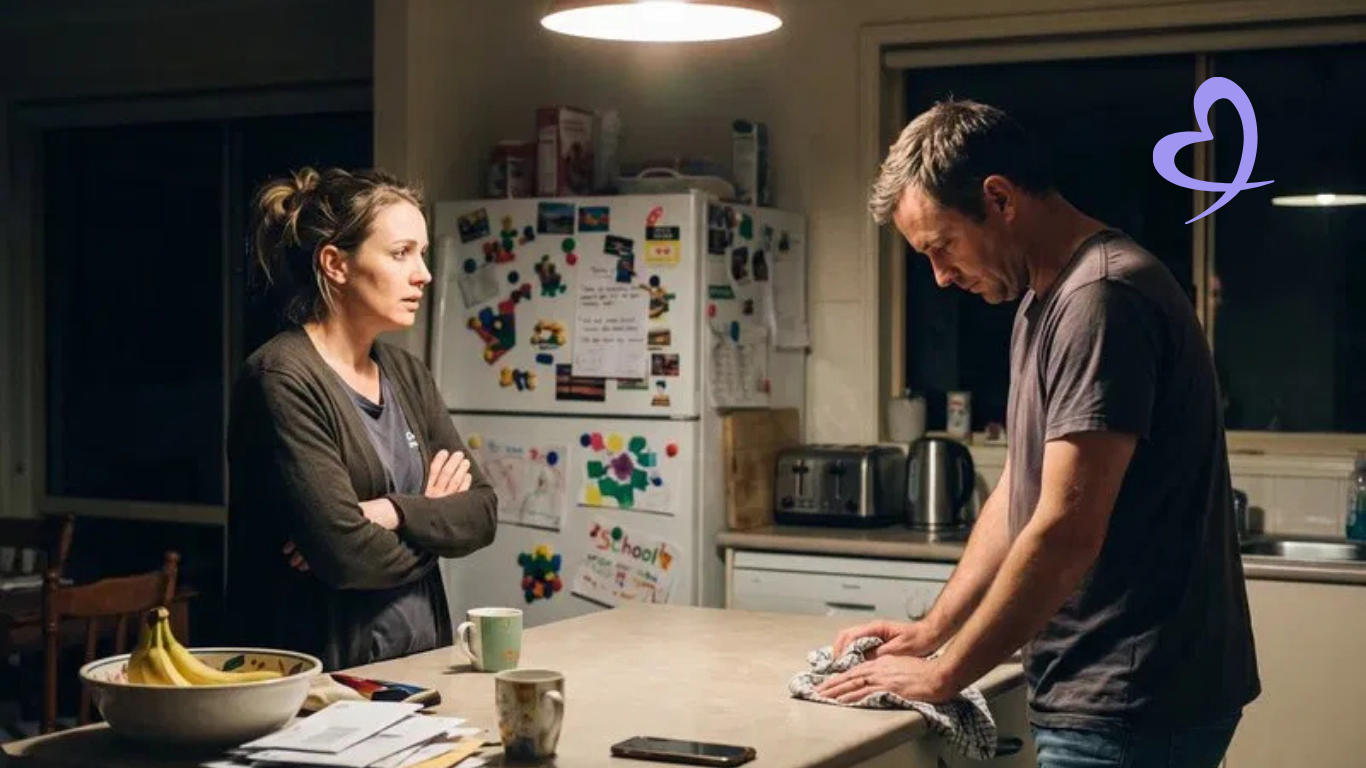
For example, Angela and Allan’s relationship was built on lots of give and take — except it wasn’t quite even. Angela gave: back rubs, compliments, thoughtful gifts. Allan took, without ever thinking to reciprocate. For years, Angela told herself this was just how she loved. It wasn’t until she noticed herself dreading small requests from him that she started asking a harder question.
What is a doormat in a relationship?
A doormat in a relationship is someone who consistently puts their partner’s needs, wants, and comfort ahead of their own, even when it isn’t reciprocated, out of a fear of conflict, rejection, or abandonment rather than genuine choice. It’s different from generosity or kindness, which come from abundance. Being a doormat comes from a quiet, ongoing sense that saying no isn’t safe.
Doormats often rationalise this to themselves. They tell themselves they’re taking the moral high road — that if they model kind, thoughtful behaviour, their partner will eventually treat them the same way. More often than not, this doesn’t produce a more considerate partner. It produces a more self-centred one, because the behaviour is never actually challenged.
Too often, long-suffering partners find themselves with people who exploit them mercilessly, not always maliciously, but because nothing has ever told them they need to stop.
An unbalanced relationship
If you find that in your relationship you’re doing all the giving and your partner is doing all the taking, you’re in an unbalanced relationship and it’s worth understanding why this happens for you specifically.
While your endless tolerance might feel like it’s coming from a deep and abiding love, it’s almost always arising from fear.
Your tendency not to say anything negative about your relationship, to avoid speaking up for your own needs and wants, and to just put up with what you’re given, is usually born of a handful of specific fears: fear of your partner’s anger, fear of conflict itself, fear of losing control of the situation, or fear of emotional abandonment. These fears typically originate in childhood experiences — often in a household where love felt conditional on being easy, quiet, or undemanding.
This pattern has a name in psychology: it’s closely related to the fawn response, a stress reaction where you automatically appease and accommodate to avoid conflict, often long before you’re consciously aware you’re doing it. Doormat behaviour is what fawning looks like once it’s been running in a relationship for years — the accommodating has become the shape of the whole partnership, not just a reaction to a single tense moment. If any of this is resonating, that piece goes deeper into where the pattern comes from and how to start shifting it.
Having this awareness is the first step toward doing something constructive about changing your situation.

Kind, or a doormat? Where the line actually is
Not all accommodating behaviour is doormat behaviour, and it’s worth being precise about the difference, because a lot of genuinely kind people worry unnecessarily that they fit this pattern.
A generous partner knows what they want, weighs it against what their partner wants, and sometimes chooses to give way — freely, and without resentment building underneath. A doormat often can’t locate their own preference in the first place, or locates it and overrides it automatically. The test isn’t how much you give. It’s whether you still have access to your own “no.”
How can you know if you are a people pleasing Doormat?
There are two red flags that reliably signal doormat behaviour rather than ordinary generosity.
1. The people around you are becoming more selfish, exploitative, or unfair. Notice a pattern here, not just one person’s behaviour. When accommodation is met with escalating entitlement rather than gratitude or reciprocity, that’s information.
2. There’s a growing gap between your feelings and your actions, and it tracks with how badly you’re being treated. Even though you continue to tolerate bad and selfish behavior, you’re starting to feel hurt, resentful, or even quietly furious underneath. Listen to that anger rather than smoothing it away. It’s telling you, on a level below conscious thought, that what you’re doing isn’t good for you.
Those who are doormats often worry that the only alternative to groveling niceness is aggressive dominance. It isn’t. There’s a middle ground called assertiveness — neither passive nor aggressive — and it’s the only genuinely healthy way to operate in a relationship long-term.
The way forward: five steps to a more balanced relationship
1. Honestly assess what is happening in your relationship and whether your relationship is balanced and fair or not (whether it be your partner or anyone else in your family, your friends or at work)
2. Express your truth authentically and firmly to this person. This might be that you are having a problem with his/her behavior, stating your needs or wants in your relationship, or your views.
3. Hold your ground. Expect that you might receive some negative emotional outburst or reaction, but stay firm and as neutral as possible.
4. Be open to feedback without collapsing or abandoning your own perspective.
5. If your partner cannot accept or tolerate your truth or needs or perspective when you have expressed them in a clear and firm manner, then you may wish to consider whether this person really has your best interests at heart and begin to question your wisdom in continuing this relationship.
When it’s time to get support
Breaking the habits of a lifetime is genuinely hard to do alone, particularly when the fear underneath the pattern was installed early, in childhood, and has never really been examined.
A psychologist can help you understand where the fear originated, build the muscle of speaking up in a room that feels safe, and if your partner is willing to come along — work on rebalancing the relationship together rather than leaving you to renegotiate it alone.
Our psychologists work with individuals and couples Australia-wide, across 60 locations including Sydney and all capital and major regional cities, available in-house, by phone, or online.
Phone 1300 830 552 to enquire or make an appointment. Private Health Insurance Rebates apply, and Medicare Rebates may apply. Please check for details.
Frequently asked questions
What’s the difference between being kind and being a doormat?
Kindness comes from choice. You know what you want and decide to give way anyway, without resentment. Doormat behaviour comes from fear — you accommodate automatically, often without being fully aware you’ve overridden your own preference, and resentment tends to build underneath even when nothing shows on the surface.
Why do I keep attracting partners who take advantage of me?
It’s rarely about attracting the “wrong” people specifically. Doormat behaviour tends to reward whoever it’s directed at for taking more and giving less, since the accommodating removes any real incentive to change. The pattern often continues across different relationships until the underlying fear of conflict, anger, or abandonment is addressed directly.
Is being a doormat the same as fawning?
They’re closely related. Fawning is the underlying stress response — the automatic urge to appease or accommodate under pressure. Doormat behaviour is what that response looks like once it’s become the default operating mode of an entire relationship, rather than a reaction to one difficult moment.
Can a relationship recover once one partner realises they’ve been a doormat?
Often, yes, particularly if both people are willing to do some work. The partner who’s been taking will usually need to adjust to a partner who suddenly has needs and opinions, which can be uncomfortable for both people at first. Couples counselling can help hold that transition steady while the relationship finds a new, more balanced equilibrium.
How do I stop being a doormat without becoming aggressive instead?
Assertiveness sits between the two. It means stating your needs, opinions, and boundaries clearly and calmly, without either shrinking them to nothing or forcing them onto the other person. It’s a skill that can be built gradually. Starting with small, low-stakes moments of honesty before tackling the bigger ones.
 Melinda Hart Penten



 Cristina Wildt